Choosing the Format
Updated Mar 04, 2023 ·
Overview
Effective communication shares key project information clearly and in an engaging way. The format should be easy to understand and fit the situation.
Written vs Oral
When presenting data, there are two main formats to consider:
-
Written Reports
- For documentation or sharing detailed information.
- Can be referenced later for review and deeper analysis.
-
Oral Presentations
- Useful for direct interaction and immediate feedback.
- Good for discussions and making quick decisions.
Key Considerations
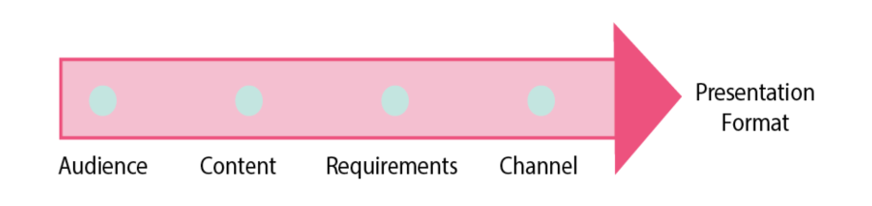
Before deciding how to present, consider the following factors:
-
Audience
- Who will receive the information?
- What do they need to know?
- Are they making decisions or starting new projects?
-
Content
- What is the most important message?
- Should the focus be on results, conclusions, or methods?
-
Requirements
- Does the audience have time for a long report?
- Is a short meeting better?
- Are they in different time zones?
- Do they prefer written communication instead?
-
Channel
- Will it be delivered in person or via email/Slack?
- How large will the audience be?
Written Communication
Written formats are valuable for sharing detailed, lasting records.
-
Advantages
- Provides a permanent record that can be reviewed over time.
- Good for technical audiences who need code or methodology details.
- Easier to share with a large audience.
-
Challenges
- Immediate feedback is harder to gather, as comments comes later.
- Lacks personal touch and direct engagement.
Oral Communication
Oral presentations allow for more dynamic interactions.
-
Advantages
- Builds relationships and allows for real-time feedback.
- Body language and tone add meaning to the message.
-
Challenges
- No permanent record unless recorded.
- Longer presentations can lead to audience disengagement.