Streaming Analytics and Data Pipelines
Overview
Streaming analytics processes data continuously instead of waiting for batch jobs.
- Handles events as they happen
- Reduces analysis delay
- Supports time-sensitive decisions
This is useful for data sources like sensors, clickstreams, app activity, and financial feeds.
Batch Versus Streaming
Batch processing groups data and processes it later, while streaming processes records as they arrive.
- Batch is good for scheduled workloads and large periodic jobs
- Streaming is good for real-time monitoring and fast reactions
Streaming analytics is the better fit when the value of the data drops quickly over time.
Pub/Sub
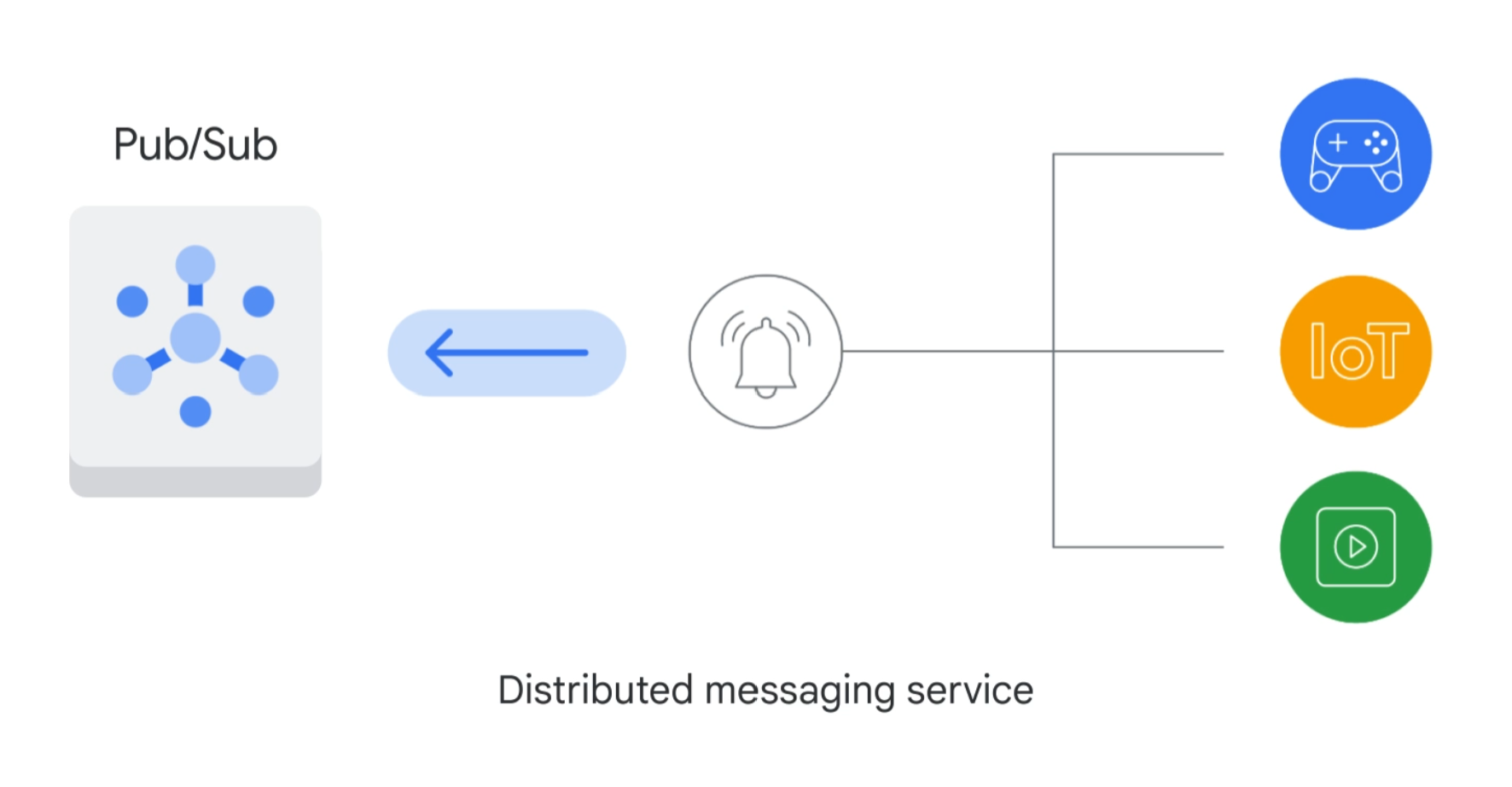
Pub/Sub is Google Cloud’s publish and subscribe messaging service.
- Receives messages from many producers
- Distributes data to one or more subscribers
- Works well for asynchronous event streams
Pub/Sub is often the first step in a real-time pipeline because it collects incoming events reliably.
Dataflow
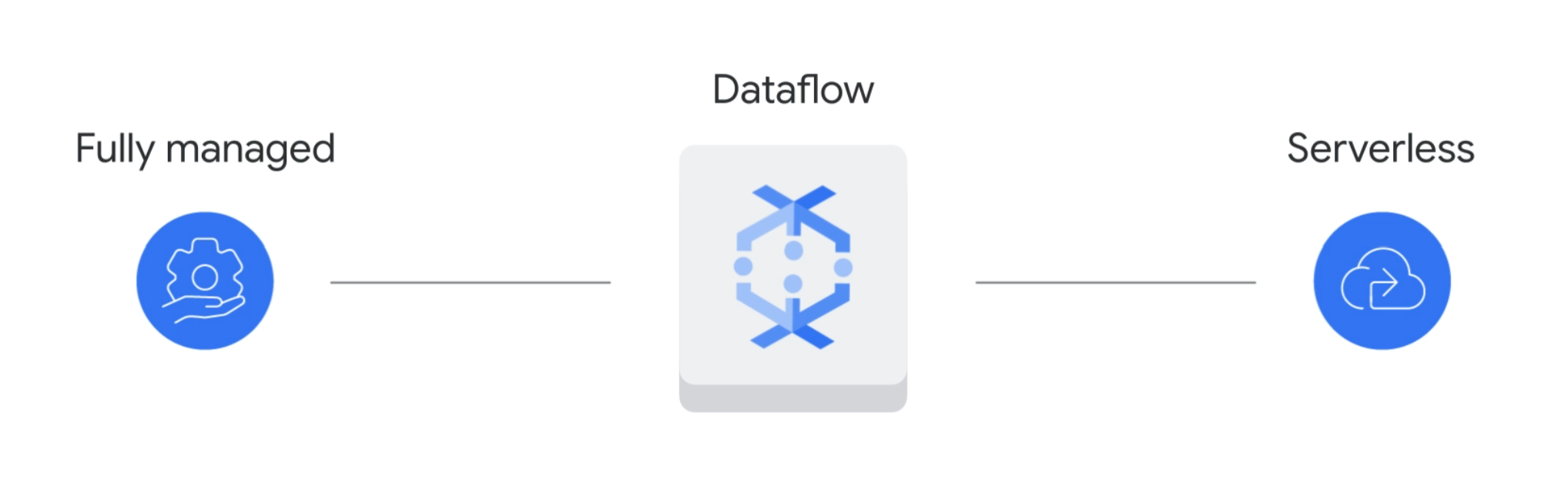
Dataflow processes both streaming and batch data pipelines.
- Uses Apache Beam as the pipeline model
- Handles ETL-style processing
- Scales automatically with pipeline demand
Dataflow is a managed service that reduces the infrastructure work required to build and operate pipelines.
Typical Pipeline
A common streaming flow looks like this:
- Applications or devices send events to Pub/Sub
- Dataflow transforms and enriches the events
- BigQuery stores the processed data for analysis
- Looker visualizes the results for business users
This flow supports real-time insights without forcing teams to wait for a manual batch process.
Common Use Cases
Streaming analytics is useful when events need immediate action.
- Monitor sensors and operational systems
- Detect unusual account activity
- Track clickstreams and user behavior
- Enrich events for reporting and dashboards
Note: Streaming is not only about speed. It is also about keeping data fresh enough to drive the decision that depends on it.