Scalability
Overview
Scaling ML models ensures they can handle increasing data and usage over time. The following are key aspects of scaling and how they impact model performance.
Compute Constraints
ML models may face performance issues if the computational resources (CPU, memory, disk space) are insufficient.
- Monitor resource usage during training.
- Ensure serving machines meet required resources.
- Good to identify constraints early.
For example, if your model uses too much memory, it might crash during deployment.
Model Complexity
More complex models tend to require more resources. Balancing complexity with scalability is essential.
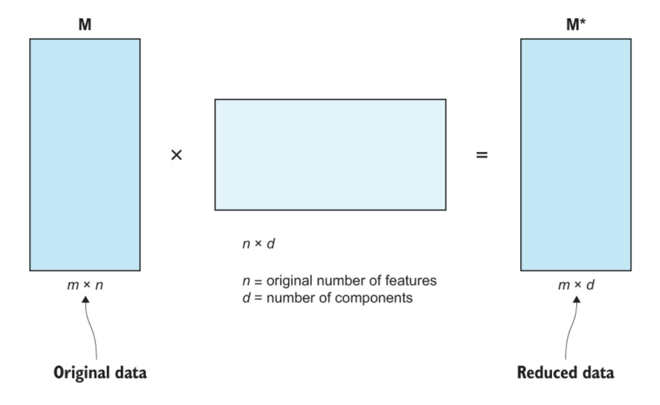
- Use feature selection (e.g., Chi-squared, PCA) to reduce model size.
- Implement pruning to remove unnecessary parameters.
These techniques help reduce model size and improve scalability, and ensures faster deployment and lower resource consumption.
Velocity of Deployments
Rapid model deployment ensures models stay accurate and relevant over time.
- Use continuous integration (CI/CD) pipelines.
- Use online learning for real-time updates without retraining.
This helps keep the model current without needing to retrain from scratch each time new data comes in.
Scaling Strategies
There are different ways to scale models depending on the workload and resource requirements.
-
Horizontal Scaling
- Add more machines to handle increased demand
- Implement using load balancing or round robin
- Partitioning can be used to distribute across machines
- More machine required = increased complexity and cost
-
Vertical Scaling
- Add more resources to existing machine, increasing capacity
- More powerful hardware = can lead to increased cost
-
Auto-Scaling
- Dynamically adjust resources based on current demand.